
- Japanese
- 狛犬 (こまいぬ)
- Means
- Korean dog
- Also called
- shishi (獅子, "lion"), shishi-komainu (獅子・狛犬), koma-inu (高麗犬), lion-dogs
- Found in
- The approach and gates of Shinto shrines, and some Buddhist temples, all over Japan
What do komainu look like?
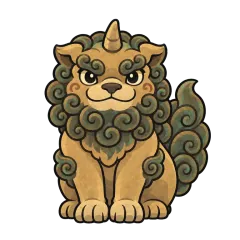
Komainu are a pair of lion-like beasts, usually in stone, that sit facing each other or facing the visitor on either side of a shrine's approach [2][3]. They are near twins, except for the mouth: one has it open and one has it shut [1][3]. The open mouth is a, the shut one un, and together they are a-un, the first and last sounds of Sanskrit, standing for the beginning and end of all things [2][3].
The a and un form came with Buddhism, as it did for the pair of Niō guardians at a temple gate [2]. Many old pairs break the rule. The oldest stone pair in Japan, at the Great South Gate of Tōdai-ji in Nara, was carved in 1196 from stone brought from China, and both of its lions have their mouths open [2].
What do komainu do?
Is a komainu a lion or a dog?
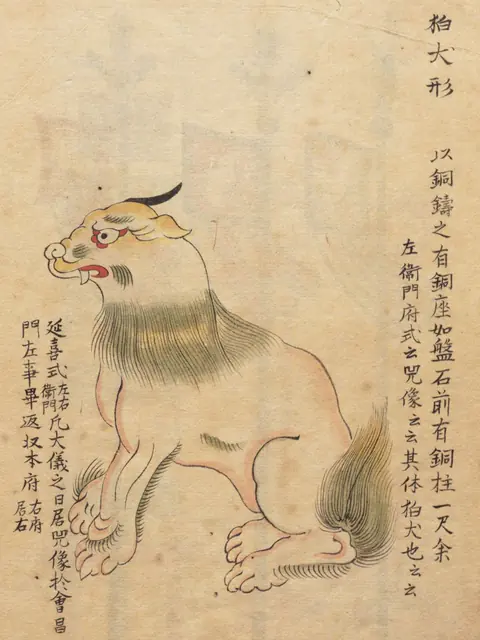
In the Heian court only one of the pair was a komainu, and its partner was a lion. A court record of furnishings, the Ruijū Zōyōshō, sets them out: "on the left a lion, yellow, mouth open; on the right a komainu, white, mouth not open, with a horn" [2]. Dictionaries repeat the rule: in the Heian period the lion stood on the left with its mouth open, and the komainu on the right with its mouth shut and a single horn on its head [1]. Left and right are as the god sees them, so a visitor finds the lion on the right [2].
Typical pairs kept the difference in colour too: the lion gold or yellow with a curly mane, the komainu silver or white with a blue mane and pricked ears [2]. Many pairs never followed it [2]. Over time the two beasts grew alike, and both came to be called komainu, or both shishi, lions [1][3]. Even in the Heian period one court book treats them as two lions [2].
The horn is explained by another beast. The komainu was linked to the ji, a one-horned creature of Chinese lore "shaped like an ox, dark blue-black", two of which were set out at an emperor's enthronement [2]. A record of the enthronement furnishings from the Bun'an era (1444 to 1449) draws the ji and notes that "its body is a komainu" [2].
Are komainu good or evil?
Komainu are good: they are protectors with no harm in them [1][3]. They are not the gods' messengers, a separate kind of sacred animal such as the fox at an Inari shrine, but guards posted at the god's door [2]. Inari shrines put a pair of foxes where other shrines put komainu [3].
That makes the komainu an odd member of a yokai roster. It is a guardian beast in stone or wood, set there to keep evil out, and nobody meets one on a dark road.
Where do komainu come from?
Komainu began as lions, the guardian beasts of China, where lions were set in pairs before tombs and gates [1][2]. China had no lions, so the image itself came from further west [2]. The name komainu is usually read as "dog of Koma", Koguryŏ or Korea, the foreign land the beast was thought to come from [1][2][3]. Some explain it instead as "dog that keeps away evil" [1].
Before they stood at shrines, the pair stood indoors at court. The oldest written record of them before a god is from 1039, when Emperor Go-Suzaku sent gold and silver lions and komainu as an offering to Ise [2].
The pair later moved outside to the shrine approach and were carved in stone against the rain [3]. From the Edo period on, ordinary people paid for stone pairs in great numbers, some with cubs or a ball [2]. About 59% of Japan's shrines have them [2].
The komainu in Japanese
The name komainu (狛犬) joins 狛, the old name for Korea, to 犬, a dog. The partner beast is 獅子, the lion, and the pair's open and shut mouths are 阿吽. In Yomimaru, an app for learning Japanese, the Yomimaru 6k vocabulary deck has the words for the pair and the place they guard.
Six words from the shrine gate, and the levels where you learn them:
- 犬いぬdog (Canis (lupus) familiaris)Level 1 · Kitsune
- 口くちmouthLevel 1 · Kitsune
- 石いしstoneLevel 2 · Kasa-obake
- 門もんgateLevel 3 · Tōfu-kozō
- 神社じんじゃShinto shrineLevel 10 · Kappa
- 守るまもるto protectLevel 3 · Tōfu-kozō
Yomimaru 6k vocabulary deck words 751 to 1,000
These are the 250 Japanese words of level 4. Complete the level in Yomimaru to unlock the Komainu. By JLPT level: 86 N5, 62 N4, 92 N3 and 10 outside the JLPT lists. The easiest come first.
| Rank | Word | Reading | Meaning | JLPT |
|---|---|---|---|---|
| 915 | 中国 | ちゅうごく | China | N5 |
| 916 | 狭い | せまい | narrow | N5 |
| 917 | 西 | にし | west | N5 |
| 918 | 緑 | みどり | green | N5 |
| 919 | 南 | みなみ | south | N5 |
| 920 | タバコ | tobacco | N5 | |
| 921 | うるさい | noisy | N5 | |
| 922 | カメラ | camera | N5 | |
| 923 | ポケット | N5 | ||
| 924 | 半 | はん | half | N5 |
| 925 | お風呂 | おふろ | bath | N5 |
| 926 | おじさん | uncle | N5 | |
| 927 | 銀行 | ぎんこう | bank | N5 |
| 928 | 北 | きた | north | N5 |
| 929 | 脱ぐ | ぬぐ | to take off (clothes, shoes, etc.) | N5 |
| 930 | 帽子 | ぼうし | hat | N5 |
| 931 | 午前 | ごぜん | morning | N5 |
| 932 | 六 | ろく | six | N5 |
| 933 | 七 | なな | seven | N5 |
| 934 | 誰か | だれか | someone | N5 |
| 935 | 三つ | みっつ | three | N5 |
| 936 | 晩 | ばん | evening | N5 |
| 937 | なくす | to lose (something) | N5 | |
| 938 | 食べ物 | たべもの | food | N5 |
| 939 | 買い物 | かいもの | shopping | N5 |
| 940 | 夕方 | ゆうがた | early evening (usu. from 3pm to 6pm) | N5 |
| 941 | ゲーム | game | N5 | |
| 942 | テレビ | television | N5 | |
| 943 | 渡す | わたす | to ferry across (e.g. a river) | N5 |
| 944 | お皿 | おさら | plate | N5 |
| 945 | 八 | はち | eight | N5 |
| 946 | 薄い | うすい | thin (of an object) | N5 |
| 947 | 踊る | おどる | to dance (orig. a hopping dance) | N5 |
| 948 | 撮る | とる | to take (a photograph) | N5 |
| 949 | 後で | あとで | later (on) | N5 |
| 950 | 東 | ひがし | east | N5 |
| 951 | それから | and then | N5 | |
| 952 | 立てる | たてる | to stand up | N5 |
| 953 | 危ない | あぶない | dangerous | N5 |
| 954 | お腹 | おなか | belly | N5 |
| 955 | 日本語 | にほんご | Japanese (language) | N5 |
| 956 | ご飯 | ごはん | cooked rice | N5 |
| 957 | スポーツ | sport | N5 | |
| 958 | 財布 | さいふ | wallet | N5 |
| 959 | 下手 | へた | unskillful | N5 |
| 960 | 毎年 | まいとし | every year | N5 |
| 961 | 奥さん | おくさん | wife | N5 |
| 962 | 風邪 | かぜ | (common) cold | N5 |
| 963 | 教室 | きょうしつ | classroom | N5 |
| 964 | 自動車 | じどうしゃ | car | N5 |
| 965 | フランス | France | N5 | |
| 966 | 便利 | べんり | convenient | N5 |
| 967 | 汚い | きたない | dirty | N5 |
| 968 | 自転車 | じてんしゃ | bicycle | N5 |
| 969 | 野菜 | やさい | vegetable | N5 |
| 970 | どこか | somewhere | N5 | |
| 971 | 丸い | まるい | round | N5 |
| 972 | 授業 | じゅぎょう | lesson | N5 |
| 973 | 傘 | かさ | umbrella | N5 |
| 974 | 履く | はく | to put on (lower-body clothing, e.g. pants, skirt, footwear) | N5 |
| 975 | 疲れる | つかれる | to get tired | N5 |
| 976 | かばん | bag | N5 | |
| 977 | ページ | page | N5 | |
| 978 | 親切 | しんせつ | kind | N5 |
| 979 | 貸す | かす | to lend | N5 |
| 980 | 降りる | おりる | to get off; to go down | N5 |
| 981 | ラジオ | radio | N5 | |
| 982 | 飛行機 | ひこうき | airplane | N5 |
| 983 | 二日 | ふつか | 2nd day of the month | N5 |
| 984 | 背 | せ | back | N5 |
| 985 | 並べる | ならべる | to line up | N5 |
| 986 | 日曜日 | にちようび | Sunday | N5 |
| 987 | 池 | いけ | pond | N5 |
| 988 | こんにちは | hello | N5 | |
| 989 | お祭り | おまつり | festival | N5 |
| 990 | つまらない | dull | N5 | |
| 991 | ごめんなさい | I'm sorry | N5 | |
| 992 | ボタン | button (clothing) | N5 | |
| 993 | パン | bread | N5 | |
| 994 | 来年 | らいねん | next year | N5 |
| 995 | 入り口 | いりぐち | entrance | N5 |
| 996 | 曲がる | まがる | to bend | N5 |
| 997 | 咲く | さく | to bloom | N5 |
| 998 | メガネ | glasses | N5 | |
| 999 | 玄関 | げんかん | entrance | N5 |
| 1,000 | 番号 | ばんごう | number | N5 |
| 759 | 市 | し | city | N4 |
| 761 | 向こう | むこう | over there; other side | N4 |
| 763 | 結構 | けっこう | splendid | N4 |
| 764 | こう | in this way | N4 | |
| 765 | 男性 | だんせい | man | N4 |
| 766 | 伝える | つたえる | to convey | N4 |
| 771 | 運動 | うんどう | exercise | N4 |
| 774 | 運ぶ | はこぶ | to carry | N4 |
| 777 | おかげ | grace (of God) | N4 | |
| 779 | 安心 | あんしん | peace of mind | N4 |
| 781 | それで | so | N4 | |
| 787 | 例えば | たとえば | for example | N4 |
| 794 | 是非 | ぜひ | certainly | N4 |
| 796 | 側 | がわ | side (of something, or taking someone's side) | N4 |
| 798 | 連絡 | れんらく | (making) contact; getting in touch | N4 |
| 799 | 逃げる | にげる | to run away | N4 |
| 803 | 返事 | へんじ | reply | N4 |
| 806 | よろしい | all right; good | N4 | |
| 807 | 番 | ばん | number (in a series) | N4 |
| 809 | 恥ずかしい | はずかしい | embarrassing | N4 |
| 811 | 味 | あじ | flavor | N4 |
| 813 | 血 | ち | blood | N4 |
| 815 | 相談 | そうだん | consultation | N4 |
| 816 | 運転 | うんてん | operation (of a machine) | N4 |
| 818 | なくなる | to be lost (e.g. luggage) | N4 | |
| 819 | 教育 | きょういく | education | N4 |
| 823 | 仕方 | しかた | way | N4 |
| 825 | 人たち | ひとたち | people | N4 |
| 826 | 案内 | あんない | guidance | N4 |
| 829 | 頑張る | がんばる | to persevere | N4 |
| 831 | そろそろ | soon | N4 | |
| 832 | 寂しい | さびしい | lonely | N4 |
| 840 | 趣味 | しゅみ | hobby | N4 |
| 841 | 試験 | しけん | examination | N4 |
| 844 | 増える | ふえる | to increase | N4 |
| 846 | 壊れる | こわれる | to be broken | N4 |
| 850 | 楽しむ | たのしむ | to enjoy | N4 |
| 851 | 立派 | りっぱ | splendid | N4 |
| 858 | チーム | team | N4 | |
| 859 | 挨拶 | あいさつ | greeting | N4 |
| 863 | 投げる | なげる | to throw | N4 |
| 864 | 近所 | きんじょ | neighbourhood | N4 |
| 868 | 肩 | かた | shoulder | N4 |
| 869 | 倒れる | たおれる | to fall (over, down) | N4 |
| 870 | それとも | or | N4 | |
| 873 | 線 | せん | line | N4 |
| 875 | 技術 | ぎじゅつ | technology | N4 |
| 877 | 出発 | しゅっぱつ | departure | N4 |
| 880 | 遊び | あそび | play | N4 |
| 881 | 間違える | まちがえる | to make a mistake (in) | N4 |
| 882 | どんどん | drumming (noise) | N4 | |
| 886 | 楽しみ | たのしみ | enjoyment | N4 |
| 887 | 健康 | けんこう | health | N4 |
| 888 | 調べる | しらべる | to examine | N4 |
| 890 | 珍しい | めずらしい | rare | N4 |
| 897 | 十分 | じゅうぶん | enough | N4 |
| 899 | 会話 | かいわ | conversation | N4 |
| 906 | すっかり | all | N4 | |
| 907 | 試合 | しあい | match | N4 |
| 909 | 卒業 | そつぎょう | graduation | N4 |
| 911 | 文化 | ぶんか | culture | N4 |
| 912 | なんで | why? | N4 | |
| 757 | 含む | ふくむ | to contain | N3 |
| 758 | 一方 | いっぽう | one (esp. of two) | N3 |
| 760 | 様子 | ようす | state (of affairs) | N3 |
| 762 | しゃべる | to talk | N3 | |
| 767 | 全体 | ぜんたい | whole | N3 |
| 768 | 寄る | よる | to approach | N3 |
| 769 | これら | these | N3 | |
| 770 | 諦める | あきらめる | to give up | N3 |
| 772 | 最高 | さいこう | best | N3 |
| 773 | 土地 | とち | plot of land | N3 |
| 775 | 活動 | かつどう | activity (of a person, organization, animal, volcano, etc.) | N3 |
| 776 | 恐ろしい | おそろしい | terrible | N3 |
| 778 | 常に | つねに | always | N3 |
| 780 | 邪魔 | じゃま | hindrance | N3 |
| 782 | 切れる | きれる | to break | N3 |
| 783 | 人物 | じんぶつ | person | N3 |
| 784 | 戦う | たたかう | to make war (on) | N3 |
| 785 | こんなに | so | N3 | |
| 786 | 張る | はる | to stick | N3 |
| 788 | 届く | とどく | to reach | N3 |
| 789 | 涙 | なみだ | tear | N3 |
| 790 | 気に入る | きにいる | to like | N3 |
| 791 | 父親 | ちちおや | father | N3 |
| 792 | 感謝 | かんしゃ | thanks | N3 |
| 793 | やはり | as expected | N3 | |
| 795 | 最大 | さいだい | biggest | N3 |
| 797 | 去る | さる | to leave | N3 |
| 800 | 従う | したがう | to obey (an order, law, etc.) | N3 |
| 801 | 硬い | かたい | hard | N3 |
| 802 | 以来 | いらい | since | N3 |
| 804 | 床 | ゆか | floor | N3 |
| 808 | 絶対 | ぜったい | absolutely | N3 |
| 810 | 環境 | かんきょう | environment | N3 |
| 812 | 現れる | あらわれる | to appear | N3 |
| 817 | 全 | ぜん | all | N3 |
| 820 | 型 | かた | type | N3 |
| 821 | 程度 | ていど | degree | N3 |
| 824 | 記録 | きろく | record | N3 |
| 827 | 無事 | ぶじ | safety | N3 |
| 828 | 使用 | しよう | use | N3 |
| 830 | 幸せ | しあわせ | happiness | N3 |
| 833 | 人気 | にんき | popularity | N3 |
| 834 | 任せる | まかせる | to leave (a matter, decision, etc. to someone) | N3 |
| 835 | 調子 | ちょうし | tune | N3 |
| 836 | 太陽 | たいよう | Sun | N3 |
| 837 | 繰り返す | くりかえす | to repeat | N3 |
| 838 | 同時に | どうじに | at the same time | N3 |
| 839 | 加える | くわえる | to add | N3 |
| 842 | 到着 | とうちゃく | arrival | N3 |
| 843 | 穴 | あな | hole | N3 |
| 847 | 決定 | けってい | decision | N3 |
| 848 | いかが | how; how about | N3 | |
| 849 | 叩く | たたく | to strike | N3 |
| 852 | 法 | ほう | law | N3 |
| 853 | 限る | かぎる | to restrict | N3 |
| 854 | 癖 | くせ | habit (usu. a bad one) | N3 |
| 855 | 終える | おえる | to finish | N3 |
| 856 | 平和 | へいわ | peace | N3 |
| 857 | 物語 | ものがたり | story | N3 |
| 860 | 詳しい | くわしい | detailed | N3 |
| 861 | 別に | べつに | (not) particularly | N3 |
| 862 | 息 | いき | breath | N3 |
| 865 | 量 | りょう | quantity | N3 |
| 866 | 知識 | ちしき | knowledge | N3 |
| 867 | 回復 | かいふく | restoration | N3 |
| 871 | ごらん | (please) try to | N3 | |
| 872 | なるほど | I see | N3 | |
| 874 | 地球 | ちきゅう | Earth | N3 |
| 876 | 以下 | いか | not exceeding ... | N3 |
| 878 | あらゆる | all | N3 | |
| 879 | 学ぶ | まなぶ | to learn | N3 |
| 883 | 叫ぶ | さけぶ | to shout | N3 |
| 884 | 減る | へる | to decrease (in size or number) | N3 |
| 885 | 態度 | たいど | attitude | N3 |
| 889 | 直接 | ちょくせつ | direct | N3 |
| 891 | 役 | やく | role | N3 |
| 892 | 政府 | せいふ | government | N3 |
| 893 | 種類 | しゅるい | variety | N3 |
| 894 | 様々 | さまざま | various | N3 |
| 895 | 実験 | じっけん | experiment | N3 |
| 896 | 冗談 | じょうだん | joke | N3 |
| 898 | 方向 | ほうこう | direction | N3 |
| 900 | おそらく | probably | N3 | |
| 901 | 得意 | とくい | satisfaction | N3 |
| 902 | 玉 | たま | ball | N3 |
| 903 | 年齢 | ねんれい | age | N3 |
| 904 | 内容 | ないよう | contents | N3 |
| 905 | 表す | あらわす | to represent | N3 |
| 908 | 救う | すくう | to rescue from | N3 |
| 910 | 同様 | どうよう | same | N3 |
| 913 | 傷 | きず | wound | N3 |
| 914 | 将来 | しょうらい | future | N3 |
| 751 | ない | nonexistent | ||
| 752 | そういう | such | ||
| 753 | こういう | such | ||
| 754 | 限り | かぎり | limit | |
| 755 | あいつ | he | ||
| 756 | どういう | what kind of | ||
| 805 | それら | those | ||
| 814 | 一時間 | いちじかん | one hour | |
| 822 | 我が | わが | my | |
| 845 | 一週間 | いっしゅうかん | one week |
Sources
- EncyclopediaKotobank, "狛犬", from Nipponica (Shogakukan), Sekai Daihyakka Jiten (Heibonsha), Nihon Kokugo Daijiten and Britannica Kokusai Daihyakka Jiten
- EncyclopediaJapanese Wikipedia, "狛犬"
- EncyclopediaEnglish Wikipedia, "Komainu"
The art on this page was drawn for Yomimaru.
Questions
Is a komainu a lion or a dog?
Originally both: in the Heian court one of the pair was a lion, open-mouthed and hornless, and the other a komainu, closed-mouthed with one horn. Today both statues are called komainu, and both look like lions. See whether a komainu is a lion or a dog.
Why does one komainu have its mouth open and the other closed?
The pair make the sounds a and un, the first and last sounds of Sanskrit, so together they stand for the beginning and end of all things. The idea came with Buddhism. See what komainu look like.
Is a komainu a yokai?
Not in the usual sense. It is a guardian beast in stone or wood, set at a shrine to keep evil out, and it is kept apart from the animal messengers of the gods. See whether komainu are good or evil.