作品Free Graded Reading
鬼火を追う武士The Samurai Who Chased the Will-o'-Wisp
Onibi o Ou Bushi
by 田中 貢太郎 · Tanaka Kōtarō
A samurai chases a mysterious fireball and uncovers a ghostly secret.
About this story
 About this story
A samurai chases a mysterious flame at night, leading to an unexpected discovery.
Read a sample in Japanese
 Read a sample in Japanese
Source
 Source
This text comes from Aozora Bunko (青空文庫), the volunteer-run library of Japanese writing that is out of copyright. See this work on Aozora Bunko
Base edition (底本): 「怪奇・伝奇時代小説選集3 新怪談集」春陽文庫、春陽堂書店
1999(平成11)年12月20日第1刷発行
Typed in by Hiroshi_O. Proofread by noriko saito.
Yomimaru has edited this text for modern readers. Its Aozora Bunko card has the text as the volunteers entered it.
The furigana are Yomimaru's.
What you'll learn
 What you'll learn
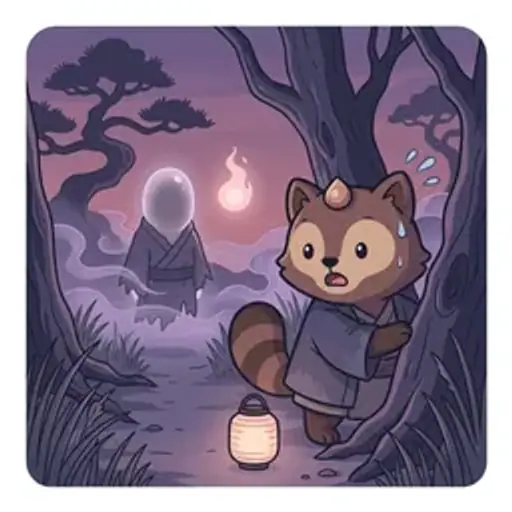
A samurai in Tsuruoka castle town chases a flameless fireball (鬼火) late at night. The fireball darts into a farmhouse window, and the samurai overhears an old woman inside saying she fled from a samurai who tried to kill her, implying the fireball is her spirit.
Key vocabulary
 Key vocabulary
| 鬼火 (おにび) | will-o'-the-wisp; ghostly flame |
|---|---|
| 深更 (しんこう) | deep night; late at night |
| 田圃道 (たんぼみち) | path through rice paddies |
| 暇乞い (いとまごい) | farewell visit; taking leave |
Grammar points you'll meet
 Grammar points you'll meet
- ~てみる N4Try doing something. Expresses an attempt.武士はその時、その火玉を斬ってみたくなった。
- ~と (when/upon doing) N3When A happens, B happens (often unexpected result).火玉は物に驚いたように非常な速力で飛び出した。それを見て武士も、どんどんと走って追いかけた。そのうちに、火玉の前方に一軒の小さな農家が見えた。
- ~てしまう N4Indicates completion or regret about an action.武士はそれを見て、「人家があるな」と思った時、火玉はいきなりその農家の小窓の中へ飛び込んでしまった。
- ~そう (seems like, hearsay) N4Expresses appearance or hearsay. ~そうだ can mean 'I heard that'.「あぁ、怖かった、怖かった。わしは、この煩いではとても助からんと思って、今、娘のところへ暇乞いに行って、帰っておると、お武家さんが見つけて斬りに来たから、一生懸命になって逃げてきた。あぁ、怖かった」
Cultural notes
 Cultural notes
- 鬼火 (Will-o'-the-Wisp)In Japanese folklore, 鬼火 are mysterious flames often seen over swamps or graveyards, believed to be spirits or ghosts. This story uses it as a central element, tying it to the soul of an old woman.
- 暇乞い (Farewell Visit)暇乞い is a traditional Japanese custom of visiting someone to say goodbye, especially when expecting a long absence or death. In the story, the old woman visits her daughter before expecting to die from her illness.
Try a comprehension question
 Try a comprehension question
What does the samurai see at the beginning of the story?
- A flameless fireball
- A burning torch
- A ghost
- A lantern
Sensei's reading tip
 Sensei's reading tip
Pay attention to the use of ~と to indicate a sudden or unexpected event.
Topics & grammar
 Topics & grammar



同級More at N2
- Real Japanese news written for N2Yominews · free, furigana on every kanji
- Japanese short stories at N2Yomibunko · graded texts, free
- N2 grammar with example sentences62 points · free study cards
- The JLPT N2 kanji and vocabulary listStudy guide · what to know
- Reading strategy for JLPT N2Study guide · reading strategy

Fresh reads in your inbox
A short monthly note when we add new graded stories. No spam.