作品Free Graded Reading
雪女The Snow Woman
Yuki Onna
by 小泉 八雲 · Koizumi Yakumo
A young woodcutter is spared by a terrifying snow spirit, but only if he never tells anyone.
About this story
 About this story
Two woodcutters encounter a supernatural snow woman during a blizzard in rural Japan.
Read a sample in Japanese
 Read a sample in Japanese
Source
 Source
This text comes from Aozora Bunko (青空文庫), the volunteer-run library of Japanese writing that is out of copyright. See this work on Aozora Bunko
Base edition (底本): 「小泉八雲全集第八卷 家庭版」第一書房
1937(昭和12)年1月15日発行
Typed in by 京都大学電子テクスト研究会入力班(大石尺). Proofread by 京都大学電子テクスト研究会校正班(大久保ゆう).
Yomimaru changed the spelling to modern kana and modern kanji, and replaced some archaic words with modern ones.
The furigana are Yomimaru's. In the app it is split into 4 parts.
What you'll learn
 What you'll learn
Two woodcutters, Mosaku and Minokichi, are caught in a blizzard. They shelter in a ferryman's hut, where a snow woman appears, kills Mosaku with her breath, and threatens Minokichi to remain silent. He survives and eventually meets and marries a woman named O-Yuki. After many years and children, Minokichi recounts the story to his wife, revealing she is the snow woman. She transforms and disappears, leaving him.
Key vocabulary
 Key vocabulary
| 木こり | woodcutter |
|---|---|
| 吹雪 | snowstorm |
| 雪女 | snow woman (yuki-onna) |
Grammar points you'll meet
 Grammar points you'll meet
- ~たびに N3Means 'every time' something happens. Used with verbs in attributive form (dictionary or past).
その橋は洪水のあるたびごとに流された。
- ~ように N4Used to express purpose ('in order to') or simile ('like'). In this case, simile.
そして彼女の息はあかるい白い煙のようであった。
- ~かもしれない N4Means 'maybe' or 'might'. Attaches to plain form verbs, adjectives, or nouns+だ.
彼はただ夢を見ていたかもしれないと思った。
Cultural notes
 Cultural notes
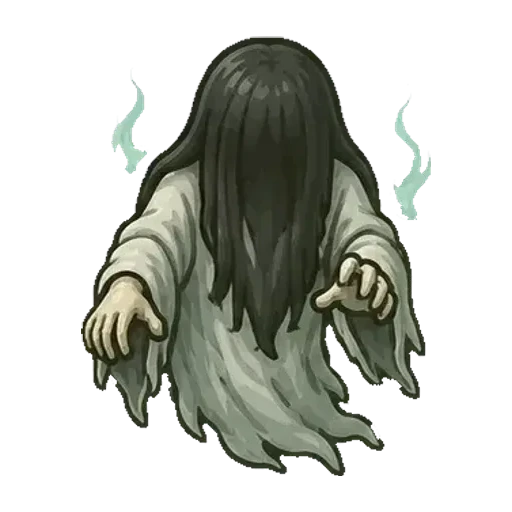
- Yuki-onna (Snow Woman)A yuki-onna is a spirit or yōkai from Japanese folklore, often depicted as a beautiful woman with pale skin who appears during snowstorms. She can be both deadly and merciful, as in this story where she spares the young woodcutter but kills the older one.
- Traditional WoodcuttersIn pre-modern Japan, woodcutters (木こり) were common in rural areas, supplying fuel and materials. They often worked in remote forests and faced dangers like harsh weather, as depicted in the story.
Try a comprehension question
 Try a comprehension question
What two main characters are introduced at the beginning?
- Mosaku and Minokichi
- O-Yuki and Minokichi
- The snow woman and the ferryman
Sensei's reading tip
 Sensei's reading tip
Pay attention to classical verb endings like 云う (いう) and 分った (わかった) which are older forms.
Topics & grammar
 Topics & grammar
同級More at N2
Fresh reads in your inbox
A short monthly note when we add new graded stories. No spam.