作品Free Graded Reading
葬式の行列The Funeral Procession
Sōshiki no Gyōretsu
by 田中 貢太郎 · Tanaka Kōtarō
JLPT N2Short StoryClassical / archaicQuiz ready
A samurai meets his own funeral procession.
About this story
 About this story
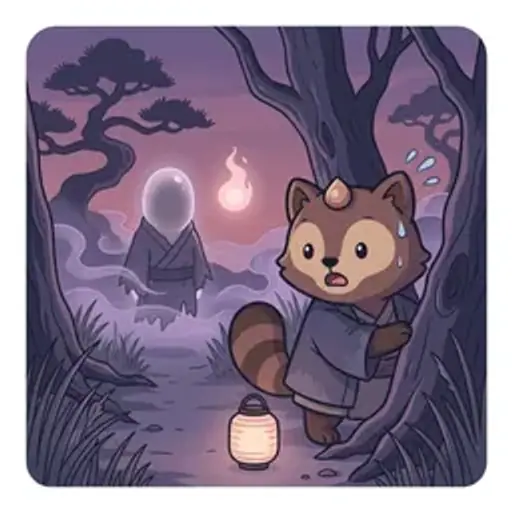
A samurai encounters his own funeral procession on a dark night.
Read a sample in Japanese
 Read a sample in Japanese
鶴岡の城下に大場宇兵衛という武士があった。その大場は同輩の寄合があったので、それに行っていて夜半頃に帰って来た。北国でなくても淋しい屋敷町。その淋しい屋敷町を通っていると、前方から葬式の行列が来た。夕方ならともかく深夜の葬式はあまり例のない事であった。大場は行列の先頭が自分の前へ来ると聞いてみた。「どなたのお葬式ですか」対手は躊躇せずに言った。「これは大場宇兵衛殿の葬式です」「なに、おおばうへえ」「そうです」行列は通りすぎた。宇兵衛は気が転倒した。そして、家へ帰ってみると、玄関前に焚火をしたばかりの痕があった。それは葬式の送り火であった。大場はその晩からぶらぶら病になって、間もなく送り火を焚かれる人となった。
Read the full text with furigana + instant lookups in Yomimaru →
What you'll learn
 What you'll learn
Samurai Oba Uhee returns home after a gathering and encounters a funeral procession that reveals it is his own funeral. He becomes ill and dies shortly after.
Language difficultyIntermediate · 55/100
Key vocabulary
 Key vocabulary
| 同儕 (どうしょ) | comrades, fellow samurai |
|---|---|
| 夜半比 (よわひごろ) | around midnight |
| 葬式 (そうしき) | funeral |
| 何方 (どなた) | who (polite) |
| 転倒 (てんとう) | flustered, confused |
Grammar points you'll meet
 Grammar points you'll meet
- ~てみる N4Try to do something大場は行列の先頭が自分の前へ来ると聞いてみた。
- ~でござる N2Polite copula in historical/classical Japanese (equivalent to です)「これは大場宇兵衛殿の葬式でござる」
- ~たばかり N3Just did something; indicates a recently completed action玄関前に焚火をしたばかりの痕があった。
Cultural notes
 Cultural notes
- 送火 (Okuribi)A funeral tradition where a fire is lit to guide the spirit of the deceased. In this story, the fire is lit before the person has died, foreshadowing death.
- 城下町 (Jōkamachi)A castle town, typical of the Edo period, where samurai lived in designated districts. The story mentions 北国 (northern region) but then says it is not that, emphasizing the loneliness of the samurai district.
Try a comprehension question
 Try a comprehension question
What time does Oba Uhee return home?
- Evening
- Midnight
- Dawn
- Afternoon
Sensei's reading tip
 Sensei's reading tip
Pay attention to archaic polite forms like でござる to understand character status.
Topics & grammar
 Topics & grammar
Short Storyghost storyfolklorefatedeatheeriesuspensefulaozora bunkoてみるte miru · try doing〜たばかりta bakari · just did




同級More at N2
- Real Japanese news written for N2Yominews · free, furigana on every kanji
- Japanese short stories at N2Yomibunko · graded texts, free
- N2 grammar with example sentences62 points · free study cards
- The JLPT N2 kanji and vocabulary listStudy guide · what to know
- Reading strategy for JLPT N2Study guide · reading strategy

Fresh reads in your inbox
A short monthly note when we add new graded stories. No spam.