作品Free Graded Reading
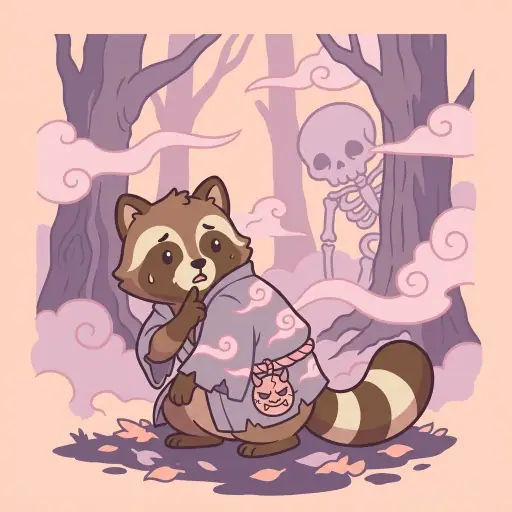
生霊The Living Ghost
Seirei
by 小泉 八雲 · Koizumi Yakumo
A young man is haunted by a living ghost. His own aunt?
About this story
 About this story
A prosperous pottery store's diligent apprentice falls mysteriously ill, possibly due to a supernatural being.
Read a sample in Japanese
 Read a sample in Japanese
Source
 Source
This text comes from Aozora Bunko (青空文庫), the volunteer-run library of Japanese writing that is out of copyright. See this work on Aozora Bunko
Base edition (底本): 「小泉八雲全集第八卷 家庭版」第一書房
1937(昭和12)年1月15日発行
Typed in by 館野浩美. Proofread by 大久保ゆう.
Yomimaru changed the spelling to modern kana and modern kanji, and replaced classical grammar with its modern form.
The furigana are Yomimaru's.
What you'll learn
 What you'll learn
A young clerk falls ill after being haunted by a living ghost. His uncle tries to help, and the ghost is revealed to be the manifestation of the master's wife's hatred. The master resolves the conflict by moving the clerk to a branch store.
Key vocabulary
 Key vocabulary
| 生霊 (いきりょう) | living ghost; spirit of a living person |
|---|---|
| まぼろし | phantom; illusion; apparition |
| 人知れず (ひとしれず) | secretly; unknown to others |
| 迫害 (はくがい) | persecution |
| 怜悧 (れいり) | clever; astute |
Grammar points you'll meet
 Grammar points you'll meet
- ~て来る N4Indicates change of state over time (has come to be).番頭独りでは管理して行かれなくなった。
- ~てしまう N4Indicates completion of an action (often with regret).この利口な新しい手代が息子をごまかして、この財産を皆横取してしまうかも知れない。
- ~しか~ない N3Means 'only' – indicates limitation.誰にもその病気の性質は分らない。誰も薬の処方をするものはない、何か人知れぬ悲しみからこの病気が起っているとしか思われない。
- ~てやる N4Do something for someone (often superior to inferior).わしは何でも父親のしなけりゃならないような事はお前のためにする覚悟だ。
- ~てもらう N4Receive the favor of doing something.江戸中の名医も幾人か呼んで診て貰ったが、
Cultural notes
 Cultural notes
- Living Ghosts (生霊) in Japanese FolkloreBelief that a living person's intense emotion (hatred, jealousy) can manifest as a spirit that haunts the target. This concept appears in classic ghost stories like Yotsuya Kaidan.
- Edo Period Merchant CultureThe setting in Edo (Tokyo) with a ceramic shop (瀬戸物店) reflects the thriving merchant class and apprenticeship system. Business success often depended on loyal clerks (番頭) like Rokubei.
Try a comprehension question
 Try a comprehension question
What is the nephew's illness caused by?
- A physical disease from overwork
- A curse from a dead person
- The living ghost of the master's wife
- Poison administered by a rival
Sensei's reading tip
 Sensei's reading tip
Pay attention to the use of ~て来る to indicate gradual change over time.
Topics & grammar
 Topics & grammar





同級More at N1


Fresh reads in your inbox
A short monthly note when we add new graded stories. No spam.