作品Free Graded Reading
ろくろ首The Long-Necked Monster
Rokurokubi
by 小泉 八雲 · Koizumi Yakumo
A samurai discovers his lover transforms into a terrifying creature at night.
About this story
 About this story
A wandering monk with a samurai past encounters a terrifying long-necked spirit.
Read a sample in Japanese
 Read a sample in Japanese
What you'll learn
 What you'll learn
A former samurai turned monk, Kairyō, travels through Kai Province and is invited to a hut by a woodcutter. He discovers the sleeping inhabitants are headless (rokurokubi) and moves the bodies to prevent the heads from returning. He hides in the forest and overhears the heads plotting, then fights and kills the lead head. He is later arrested when found with the head, but a wise magistrate recognizes it as a yokai and frees him. After being honored, he eventually sells the head to a bandit, who later buries it out of fear.
Key vocabulary
 Key vocabulary
| ろくろ首 (ろくろくび) | sliding-neck spirit (yokai) |
|---|---|
| 剃髪 (ていはつ) | tonsure (head shaving for monkhood) |
| 行脚 (あんぎゃ) | pilgrimage (travel for religious training) |
| 変化 (へんげ) | goblin; transformed monster |
| 雲水 (うんすい) | wandering monk (literally 'cloud water') |
Grammar points you'll meet
 Grammar points you'll meet
- ~てしまう N4Indicates completion of an action, often with regret or finality.あの旅僧はうちにいません、――行ってしまいました。
- ~という N4Indicates the name or description of something; 'called' or 'that is called'.囘龍と云う人がいた。
- ~かもしれない N4Expresses possibility; 'might', 'maybe'.妖怪に魅されたか、あるいは自分はろくろ首の家におびきよせられたのだ。
- ~たことがある N5Indicates past experience; 'have done'.おれも実際これまで人を殺した事はある
- ~から N5Indicates reason or cause; 'because', 'since'.化物の力も暗い時だけに限られている事を知っていた
Cultural notes
 Cultural notes
- Rokurokubi (Sliding-Neck Spirits)Rokurokubi are yokai in Japanese folklore. They appear human by day but can stretch or detach their necks at night. In this story, they are depicted as headless bodies whose heads fly around separately.
- Sōjinki (Searching for Gods) ReferenceThe monk references a text called 'Sōjinki' (捜神記), a Chinese collection of supernatural tales. This provides instructions on how to deal with rokurokubi: moving the body prevents the head from reattaching.
Try a comprehension question
 Try a comprehension question
Why does Kairyō move the bodies of the rokurokubi?
- To hide them from the heads
- To prevent the heads from returning
- To steal their possessions
- To perform a religious ritual
Sensei's reading tip
 Sensei's reading tip
Pay attention to archaic verb forms like ~ぬ (negative) and ~ける (potential).
Topics & grammar
 Topics & grammar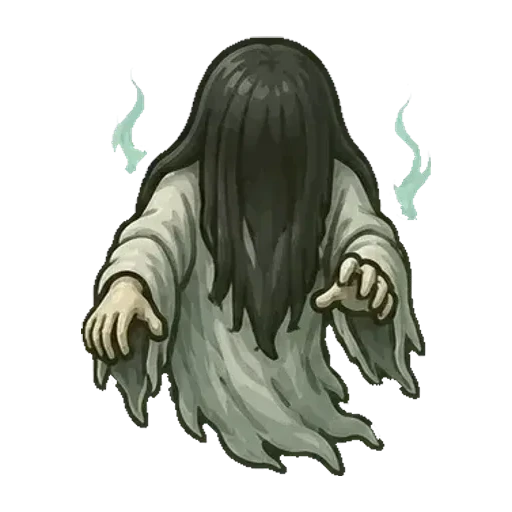


同級More at N1
- Native-level Japanese newsYominews · free, furigana on every kanji
- Free N1 literary Japanese textsYomibunko · graded texts, free
- The full JLPT N1 grammar list72 points · free study cards
- Which kanji you need for N1Study guide · what to know
- JLPT reading comprehension strategiesStudy guide · reading strategy

Fresh reads in your inbox
A short monthly note when we add new graded stories. No spam.